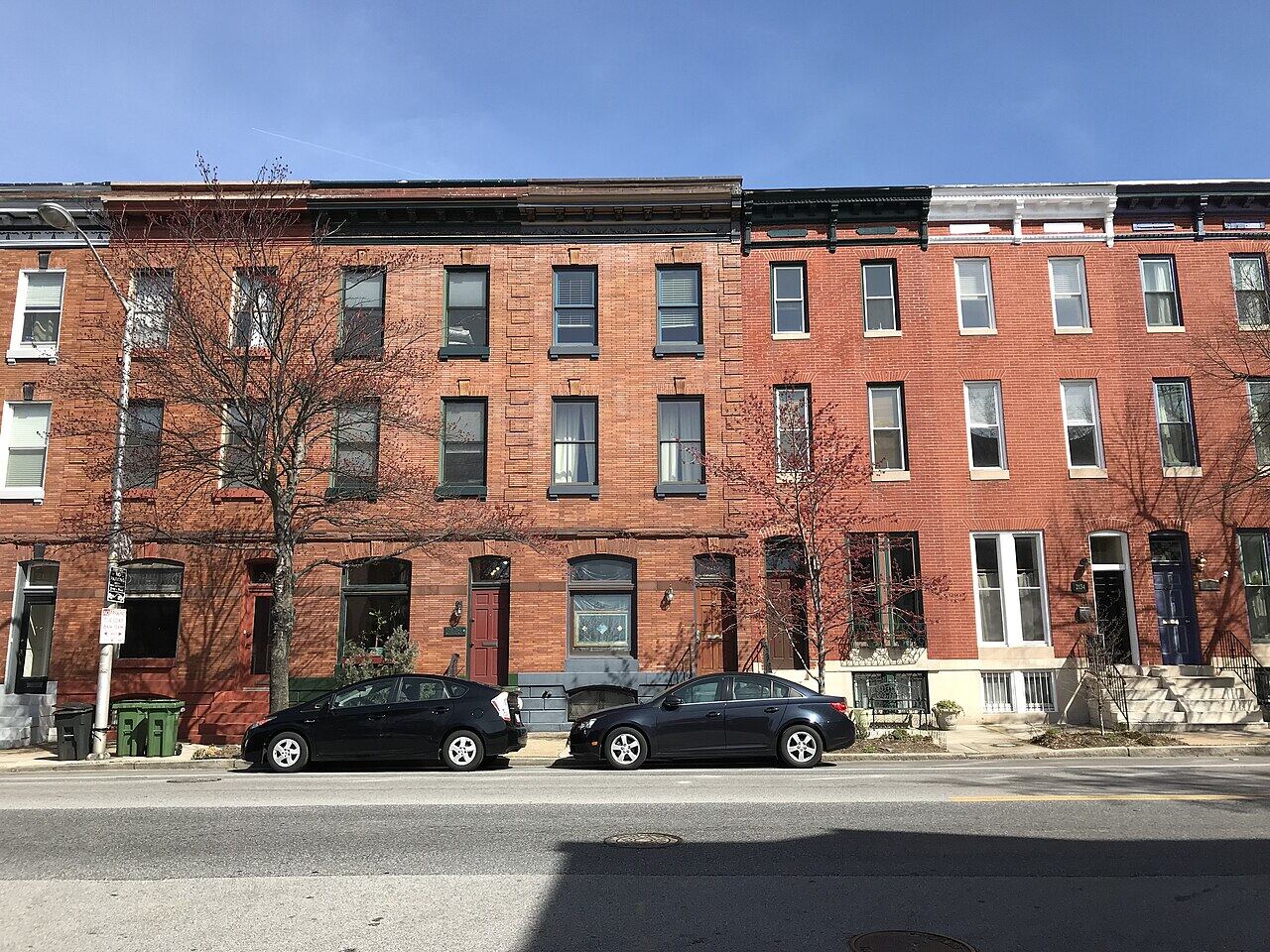
Baltimore has thousands of rowhouses split into two or three apartments, plus garden apartment complexes in the county and larger buildings downtown and in Mount Vernon. Rodents in these buildings move through shared walls, pipe chases and common cellars, so treating one unit at a time usually just moves them around. A building-wide plan treats the connected spaces together and keeps a record of the work.
Why one-unit treatment fails
Mice in a three-unit rowhouse conversion travel along the radiator risers and plumbing stacks that serve every floor. A tenant who traps mice on the second floor pushes the rest up or down. Rats in a shared cellar reach every first-floor kitchen. In a garden apartment complex, mice move between units along the slab and through the gaps where pipes run between apartments.
Treating the whole building at once, including the cellar, common hallways, trash area and every unit with activity, stops the cycle.
What a building-wide plan includes
Ask for a plan with these parts:
- Inspection of every unit with complaints plus the cellar, utility room, trash area and exterior
- Trapping in affected units and common areas at the same time
- Sealing at pipe chases, radiator risers, under sinks and at the cellar ceiling where lines rise into units
- Exterior work: door sweeps, foundation gaps, vents and burrows in the yard
- Trash area fixes, such as lidded cans or dumpsters with closed lids, set out on schedule
- Follow-up visits and a written log of units inspected, findings and work done
That log helps with tenant complaints, city inspections and rent escrow cases.
Step by step
- Notify tenants and schedule access to each unit.
- Inspect units, common areas and the exterior, and map activity.
- Trap and treat affected units and the cellar in the same visit.
- Seal shared penetrations and exterior entries.
- Return to check every treated unit and the common areas.
- Keep monitoring stations in the cellar and trash area if pressure stays high.
Who is responsible in Baltimore
Baltimore's property maintenance code says the interior of every building must be kept free of rodents and other pests. It also says an occupant of a single-unit building is responsible for extermination, and an occupant of a multi-unit building is responsible only if their unit is the only one affected. When more than one unit has rodents, tenants should expect the owner to address it.
Rodent infestation can also support a rent escrow case. Under Baltimore City's rent escrow law, rodent infestation counts as a qualifying condition except in single-family dwellings. Maryland's state law lists rodent infestation in two or more dwelling units. Read our tenant and landlord rodent guide for more. It is general information, not legal advice.
Rental licensing matters too. Baltimore requires residential rental units to be registered, inspected and licensed. Since January 1, 2026, the Strengthening Renters' Safety Act adds priority inspections for buildings with 20 or more units and repeated violations.
Why Baltimore buildings are tricky
Converted rowhouses were never designed as separate units. Plumbing for the upper apartments often runs up an old chase or through closets, leaving gaps at every floor. Steam or hot water radiator risers pass through holes in the floors that were never sized tightly. Cellars are usually shared and full of old penetrations.
Garden apartments in Towson, Parkville and Essex have other issues: dumpster enclosures that attract rats, long slab foundations with gaps at pipe entries and many units sharing walls. A good provider has worked both kinds of buildings and will ask about the layout before quoting.
What tenants can do
Report rodent activity to the landlord in writing and keep a copy. Note the dates, rooms and what you saw. Store food in sealed containers, take trash out often and keep the area under the sink clear so the technician can reach it. Give access for treatment visits. If the problem continues after notice, you can contact Baltimore 311 for a housing inspection. See the tenant and landlord rodent guide.