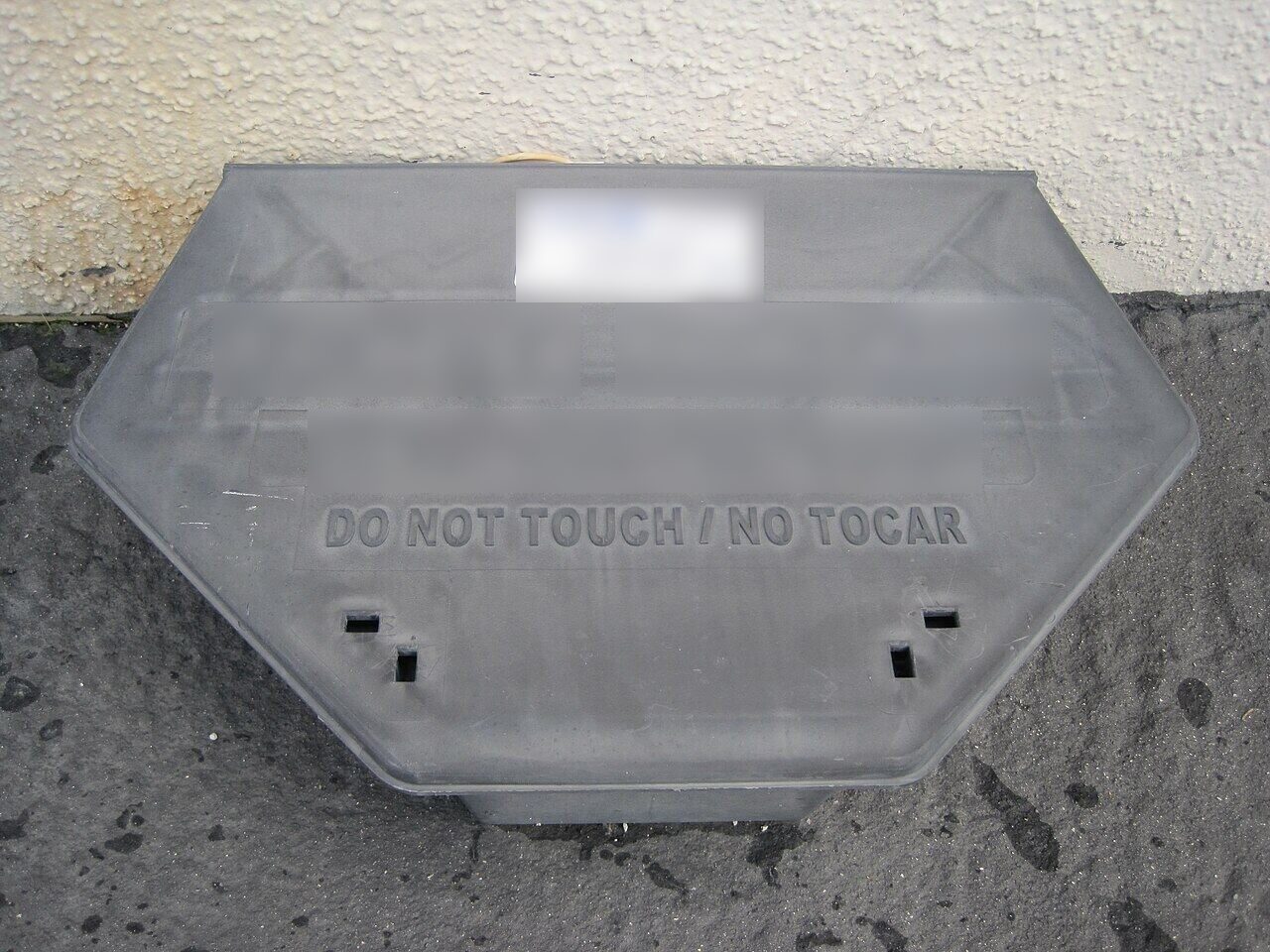
A rodent monitoring plan is scheduled service after the main problem is solved, or before it starts. A technician checks exterior stations and interior monitors on a set schedule, looks for new burrows and gnawing, and fixes small gaps before rats and mice settle in. On a Baltimore block where the alley pressure never fully goes away, monitoring is how a lot of owners keep a clean result.
Who uses monitoring
Monitoring suits a few kinds of property. Rowhouse owners on blocks with steady alley activity use it after a big cleanout. Landlords with several units use it to catch problems between tenants. Businesses with food or stored goods use it to stay ready for inspections. Homeowners next to a vacant house or construction site use it because the neighboring source is out of their control.
If your problem was a one-time mouse that came in through a dryer vent, you probably do not need a plan. If rats have come back twice, a plan is often cheaper than starting over each time.
What a good plan includes
Look for:
- A set schedule, often monthly, every other month or quarterly
- Exterior tamper-resistant stations, anchored and numbered, with a map
- Interior monitoring traps or glue-free monitors in the cellar, kitchen and utility areas
- A walk of the yard and alley edge for new burrows at each visit
- Spot sealing of new gaps as they appear
- A short written report each visit: what was checked, any activity and what was done
- A clear price per visit and terms for extra visits if activity spikes
Ask whether the plan auto-renews. The Maryland Department of Agriculture advises getting a written service agreement and asking if it renews each year. If it does, ask for written confirmation each year.
Step by step
- Finish any active treatment first, so the plan starts from zero activity.
- Agree on station locations, interior monitor spots and the visit schedule.
- Each visit, the technician checks stations, monitors and the yard, and logs results.
- New activity triggers trapping and a look for the entry.
- Seasonal adjustments add visits in fall and early winter, when rodents press indoors.
- Review the log each year and adjust the schedule up or down.
Why monitoring makes sense in Baltimore
Baltimore's rat pressure does not reset. The alley is still there, the neighbor's cans may still be open and the vacant house on the corner may still be vacant. The Hopkins research found that cleared blocks refill when the food and shelter stay. Monitoring catches the first rats back before they rebuild a colony.
Fall is the busy season. When temperatures drop, Norway rats move from the yard into cellars and walls, and mice push indoors. A visit in September or October to check seals and stations pays for itself. See seasonal rodent problems in Baltimore.
What to ask before signing
Ask what each visit includes, how fast the provider responds between visits, whether sealing is included and what cancellation terms apply. Ask for the MDA pesticide business license number. The MDA advises cancelling service in writing, not by phone. Our Baltimore rodent control cost guide has local pricing for recurring visits.
Signs a plan is working
Look at the service log over a few months. Station activity should stay low or drop, with spikes tied to known events like construction next door or a cold snap. New burrows should be rare and caught early. Indoors, you should not be finding fresh droppings. If activity keeps climbing, the plan needs a closer look at entry points or outside food sources, and possibly more frequent visits for a while.