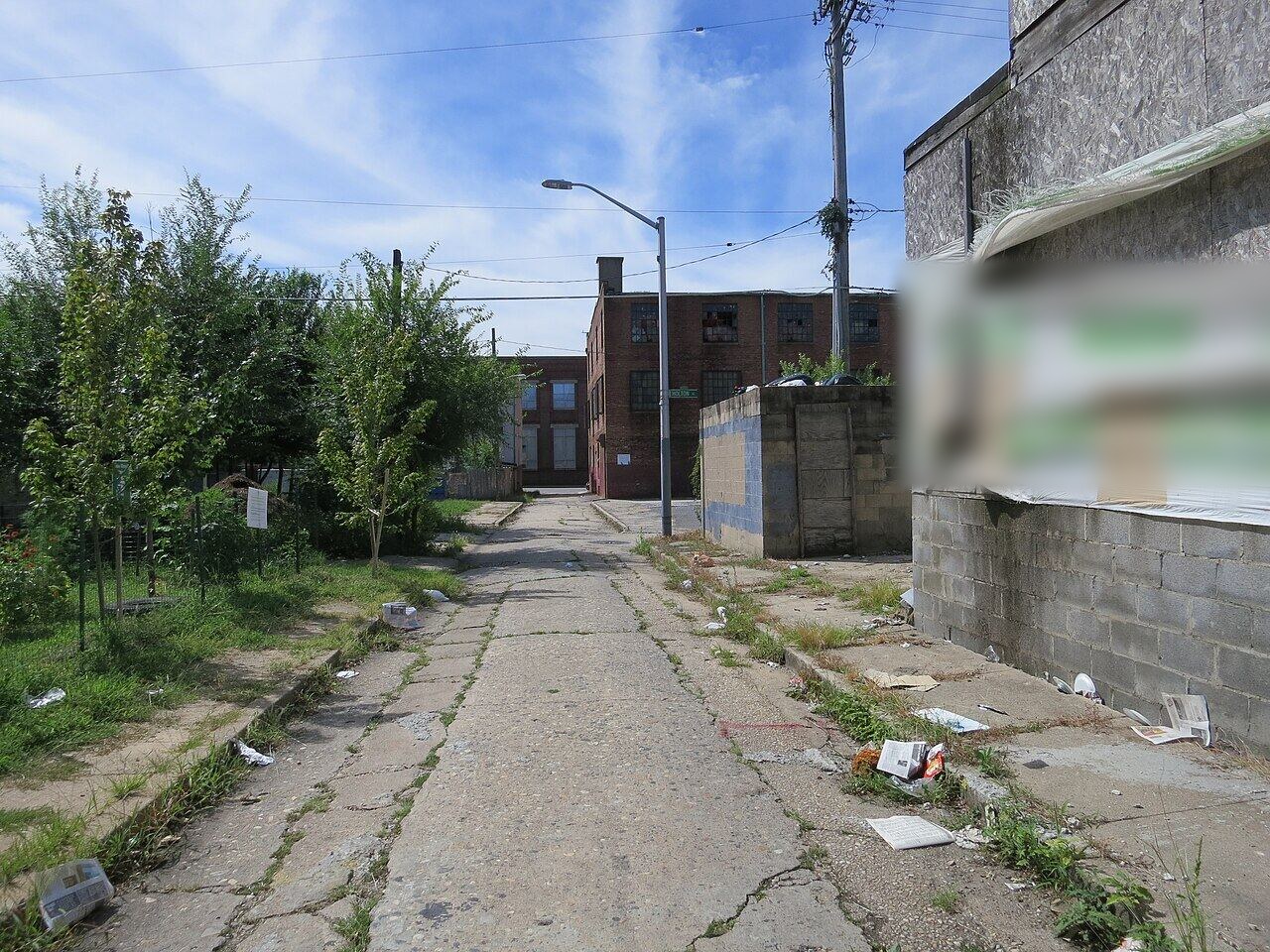
Baltimore's property maintenance code, Part VII of the city's Building, Fire and Related Codes, has specific rules that bear on rats. Trash has to be stored in watertight cans with tight-fitting lids that stay closed. Cans can go out no earlier than 6 p.m. the night before pickup and have to come back by 6 a.m. the day after. Grass and weeds have to stay under 8 inches, and stored materials have to be raised at least a foot off the ground to prevent rat harborage.
Here are the sections that matter, what they mean day to day and how they connect to the city's Rat Rubout program.
Trash cans: lids, size and condition
Section 306.4 says trash, garbage and debris may not be stored or set out for collection except in approved storage receptacles. Owners or operators of occupied premises must supply enough receptacles to hold each unit's waste between collection days.
Section 306.6 sets the specifications. Receptacles must be durable, made of metal or another approved material, watertight, with tight-fitting covers and handles. Capacity cannot exceed 32 gallons, unless it is a City-owned container assigned to the address for mixed refuse collection. Recycling bins do not need covers, and yard waste can be bagged or bundled.
Receptacles have to be kept in good repair and, in the code's words, kept tightly closed to prevent blight, nuisance, pest infestation and dispersal of trash, garbage or debris.
DPW's own guidance matches this. It says a can with a tight-fitting lid is required by law and that bagged trash should not be put out because rats chew through bags. DPW says it provides one trash can to each single-family household in the city.
When cans can go out and come back
Section 306.7 sets the placement rules:
- Set receptacles out no later than 6 a.m. on collection day
- Do not put them on a sidewalk or along an alley before 6 p.m. the evening before collection
- If they are on a sidewalk or in the alley, bring them back onto the property by 6 a.m. the day after collection
Cans left in the alley all week give rats a permanent feeding strip. Following the set-out window cuts the hours rats have to work on lids and spilled trash.
If the Code Official finds that outdoor receptacles cause a nuisance or blight, section 306.5 lets them require the cans be kept inside the building, or in a connected structure, between collection days.
Accumulation, dumping and bulk trash
Section 306.1 says premises, including the abutting sidewalks, gutters and alleys, and the interior of every structure, must be kept free of any accumulation of trash, garbage and debris. Section 306.3 bars depositing waste on sidewalks, alleys, streets or any public or private lot except as the code allows.
Section 306.2 says bulk items too large for the receptacles have to go to a landfill or other approved site. For residents, the city's bulk trash service handles this. DPW says you can set out up to three bulk items a month on a scheduled Saturday. Call 311 or use 311 online at least four working days before your bulk day, give your address and the items, label them for bulk collection and set them out by 7 a.m. The city also lists Residential Drop-Off Centers that take items at no cost. Building materials, auto parts, paint and hazardous waste are excluded.
A couch or mattress left in an alley for a week is rat shelter. Scheduling the pickup instead keeps the alley clear.
Yards, weeds and stored items
Section 305.2.2 sets plant height. Abutting sidewalks, gutters and alleys have to be kept below 4 inches. All other premises and exterior property have to be kept free of grass, weeds or plant growth over 8 inches. Section 305.2.1 defines weeds broadly, as all plants other than trees, shrubs and cultivated flowers and gardens.
Section 305.7 requires stored objects and materials to be elevated at least 1 foot off the ground to prevent rat harborage, unless the Commissioner finds that unnecessary. Lumber, firewood, bricks and stored furniture on the ground are classic rat nesting spots.
Section 305.4 covers pests directly. Exterior property must be kept free of pests, rodent harborage and conditions that attract pests are prohibited, and pests found must be promptly exterminated by approved processes.
DPW's Rat Rubout guidance adds practical steps: remove leftover pet food and pet waste from the yard every day, remove old furniture, vehicles and appliances, and mow tall grass and weeds.
Who is responsible for the yard and alley
Under section 308.2, occupants of single-unit buildings, and occupants with exclusive use of an exterior area, maintain those exterior areas, including adjacent sidewalks, gutters and alleys, under sections 305 and 306. The owner and operator stay responsible for problems caused by sewer backups or structural defects, and the code lists cases where the owner takes on exterior responsibility, such as an unregistered property or a third environmental citation.
If you rent, check your lease and see our tenant and landlord rodent guide.
Bird feeding, compost and pet food
The city code sections above do not single out bird feeders or compost bins by name. They do prohibit conditions that attract pests and rodent harborage, and DPW's guidance focuses on removing food sources. Baltimore County's rat program goes further in its advice, telling residents not to feed animals or birds outdoors and to stack firewood 18 inches off the ground.
The practical points are the same anywhere. Spilled seed under a feeder feeds rats at night. Open compost with food scraps feeds them too. If you compost, use a closed bin with a solid bottom or a hardware cloth base, and keep meat, dairy and oily food out. Bring pet bowls in at night.
Reporting violations and getting help
You can report open cans, trash in the alley, illegal dumping, overgrown lots and rats through Baltimore 311. See how to report rats in Baltimore. For burrows already in your yard, see rat burrow treatment. For a full plan that includes sealing the house, see rat control.
Baltimore County has its own code. The county's rat program points residents to Baltimore County Code sections 13-7-305 and 13-7-306 for keeping property free of rat harborage. Complaints go through BaltCoGo 311.
Sources
- Baltimore City Code: Property Maintenance Code § 306, Trash, Garbage and Debris
- Baltimore City Code: Property Maintenance Code § 305, Exterior Sanitary Maintenance
- Baltimore City Code: Property Maintenance Code § 308, Occupants' Sanitary Responsibilities
- Baltimore City DPW: Rat Eradication
- Baltimore City DPW: Bulk Trash Pickup and Large Item Removal
- Baltimore County PAI: Rat Control and Treatment Program