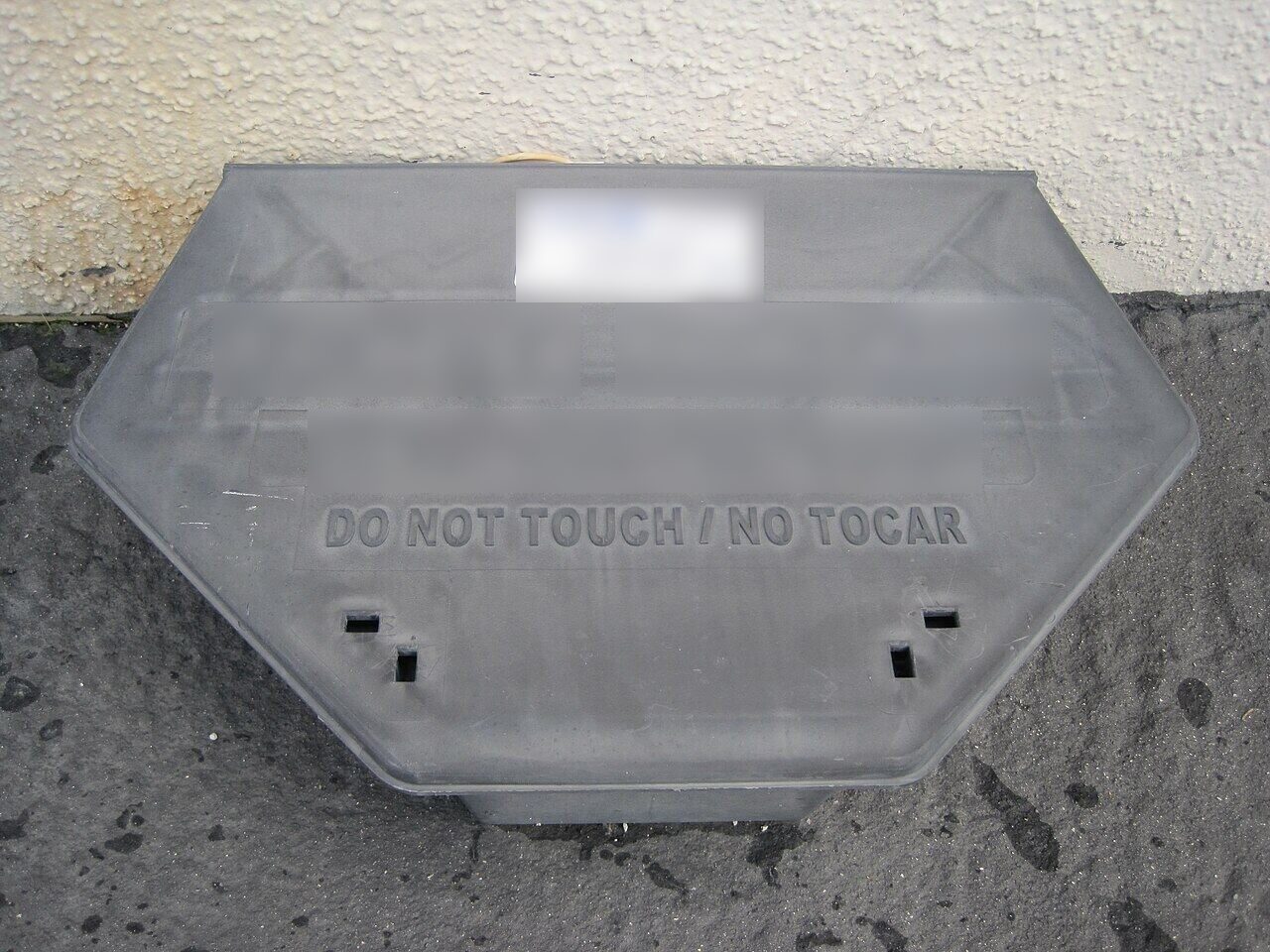
A rodent inspection is the step that tells you what you have, where it lives and how it gets in. In Baltimore that means looking past the kitchen to the back yard, the alley side of the house, the cellar and the shared walls. The inspection is what the trapping and sealing plan should be built on, so it is worth knowing what a good one covers.
What the inspection is for
Rats and mice leave a readable trail. Droppings show which rodent it is and roughly how active. Rub marks and runs show travel routes. Gnawing shows where they are trying to get through. Burrows show where a rat colony lives. Put together, the signs tell a technician where to trap, what to seal and whether the source is your property or the one next door.
Without that map, treatment is guesswork. Traps in a kitchen do little if Norway rats are living under the shed and coming in through a cellar drain.
What a thorough inspection includes
Expect the technician to look at:
- The back yard, fence line, shed, deck and parking pad for burrows two to three inches across
- The alley wall and the base of the rear wall for rub marks and gnawing
- Trash cans, lids, compost, bird feeders and pet bowls
- The cellar: floor drains, the sewer cleanout, pipe and gas entries, the front wall under the stoop and any old coal chute
- The kitchen and baths: behind and under appliances, under sinks, cabinet toe-kicks and radiator pipes
- Any attic or crawl space under a flat roof, for mouse nests and droppings in insulation
- Neighboring conditions, such as a vacant house, open cans or burrows next door
You should get a written summary: which rodent, how active, where the entry points are and what the provider recommends, with a price. Ask for it in writing before agreeing to anything.
Step by step
- You describe what you have seen and where. Your account narrows the search.
- The technician walks the outside first, because Norway rats live in the ground.
- The cellar comes next, since most rat entries in a rowhouse are low.
- The kitchen, baths and upper floors follow, looking for mouse activity.
- The technician may dust a little tracking powder or set a few monitoring traps to confirm activity.
- You get the findings and a written plan, then decide.
Some inspections are bundled into the first treatment visit. Others are billed separately. HomeAdvisor lists professional inspections at about $100 to $200 nationally. Ask up front.
Why a Baltimore inspection has to go wider
On a rowhouse block, your problem often starts somewhere else. Rats may burrow on the vacant lot at the end of the row, feed from a neighbor's open cans and enter your cellar through a crack under the rear addition. Mice may move in when the house next door gets gutted for a renovation.
A good inspector notes those outside sources, even if they are not yours to fix. Some can be reported to Baltimore 311, such as an open vacant, trash in the alley or rats on city property. Our 311 rat reporting guide explains how. Others need a talk with a neighbor or landlord.
When an inspection makes sense
Book one when you see droppings or burrows and are not sure how bad it is, before buying an older rowhouse, at a rental turnover, or when a past treatment did not hold. If you manage a building, an inspection gives you a record of conditions and work done, which helps with tenant complaints and city inspections. See rowhouse and apartment rodent control for multi-unit properties.
How to prepare for the visit
Clear a path along the cellar walls and pull stored boxes a foot away from the foundation so the technician can see the base. Leave droppings where they are until after the visit, since their size and spread help. Write down when and where you have seen or heard activity. If your block has had a Rat Rubout visit, mention whether burrows were flagged in your yard or a neighbor's. Put dogs inside during the yard walk.