Commercial rodent control in Baltimore covers businesses and properties with steady rat and mouse pressure: corner stores and markets, offices in older buildings downtown and in Mount Vernon, warehouses and distribution sites near the port, and owners of rowhouse rental portfolios. A commercial program is scheduled service with exterior bait stations, interior trapping, sealing and a written log of every visit.
Why businesses get rodents here
Rats go where food and shelter are reliable. A dumpster in an alley behind Eastern Avenue, a stockroom with cardboard stacked on the floor, a loading dock door that never quite closes and a warehouse with pallets against the wall all qualify. Older commercial buildings along Baltimore's main streets often share walls with the next storefront, so a problem moves.
For a business, the costs go past the nuisance. A food business can be closed by the Baltimore City Health Department for rodent infestation. Rental owners face tenant complaints, code notices and rent escrow cases. Warehouses risk damaged goods and failed audits.
What a commercial program includes
A good program usually has:
- A visit schedule matched to risk, from weekly for food handlers to monthly or quarterly for offices
- Tamper-resistant bait stations around the exterior, anchored and numbered, with a site map
- Interior traps or monitoring stations at doors, docks, stockrooms and utility rooms
- Exclusion at dock doors, door sweeps, utility penetrations and gaps where walls meet the slab
- Sanitation notes: dumpster lids, pallet spacing, stored goods off the floor and off the walls
- A service log of what was inspected, found, caught and fixed at each visit
That log matters. Health inspectors, auditors and property managers ask for it. For food businesses, see restaurant rodent control.
Step by step
- A site survey maps the building, exterior, dumpster area and neighboring sources.
- The provider proposes station locations, service frequency and sealing work, in writing.
- Initial service knocks down any active population with trapping and exterior stations.
- Sealing closes the openings the survey found.
- Regular visits check, service and log every station and trap.
- Reports flag sanitation problems the staff can fix between visits.
Under EPA label rules, professional rodenticides must be in tamper-resistant stations wherever children, pets or nontarget wildlife could reach them, and in all above-ground outdoor placements.
Why it is harder in Baltimore
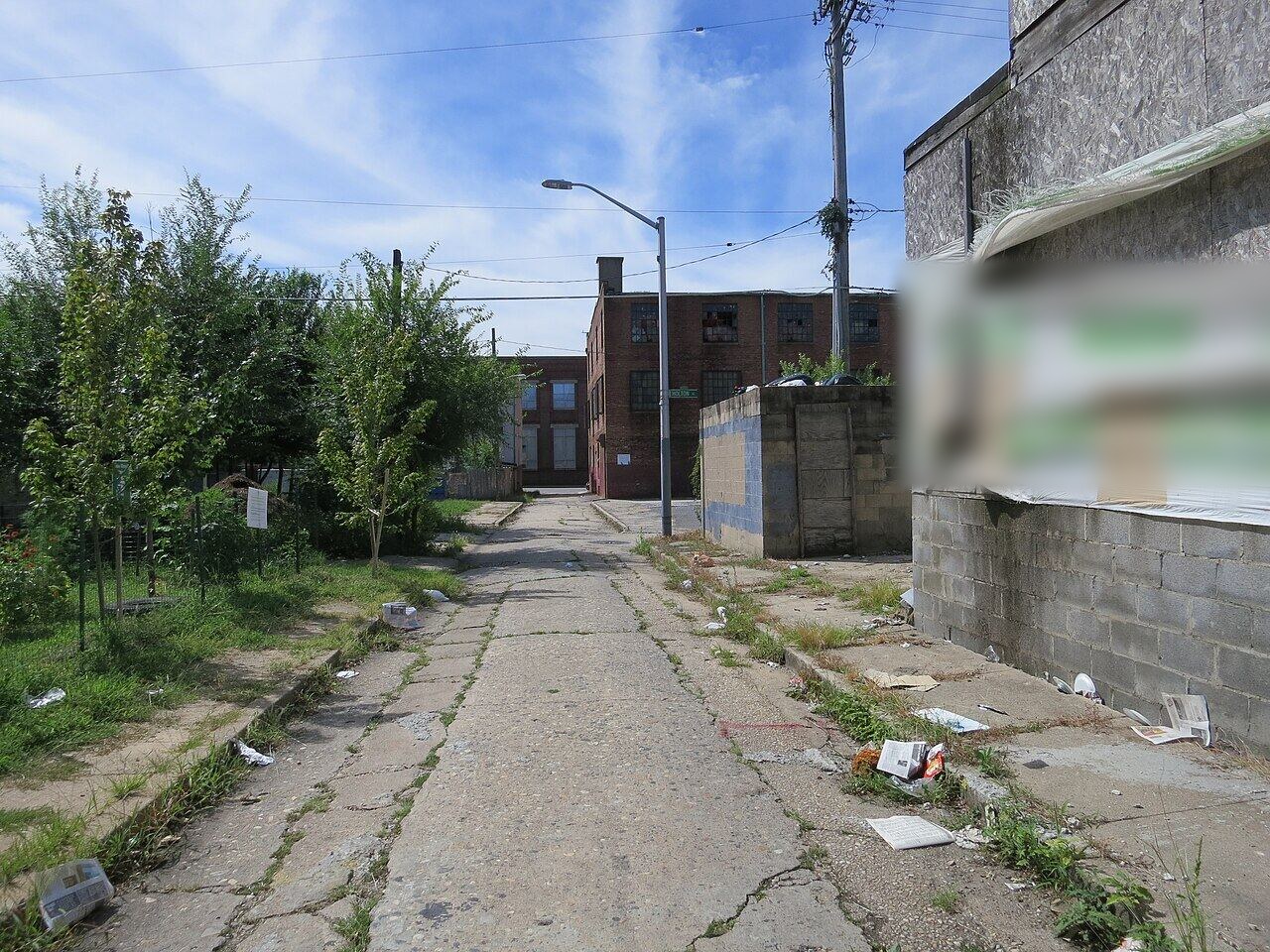
Baltimore's commercial streets grew up in rowhouse form. Stores on the ground floor, apartments above and alleys behind mean that rats from one dumpster reach the whole block. Near the harbor and port, from Canton to Locust Point, warehouses and piers sit next to water and rail lines, which rats use as cover.
Old buildings have old gaps. Cast-iron and brick facades downtown, converted mills along the Jones Falls in Hampden and Woodberry, and former factories in Highlandtown and Brewers Hill all have penetrations from a century of utility work. Plan on real exclusion work, not just stations.
What to ask a commercial provider
Ask for the Maryland pesticide business license number and the certified applicator's categories. Rodent work in and around structures falls under MDA category 7D. Ask for a sample service report, the station map and how quickly they respond to a call between visits. For multi-unit residential portfolios, see rowhouse and apartment rodent control, and for scheduled checks without a big initial job, see rodent monitoring plans.
What staff can do between visits
Keep dumpster lids closed and the pad around them swept. Keep cardboard flattened and off the ground. Store goods on shelves at least a few inches off the floor and away from walls. Close rear and dock doors when they are not in use, and replace worn sweeps quickly. Report droppings, gnawing or a sighting to the provider the same day. Small habits make the service visits count.