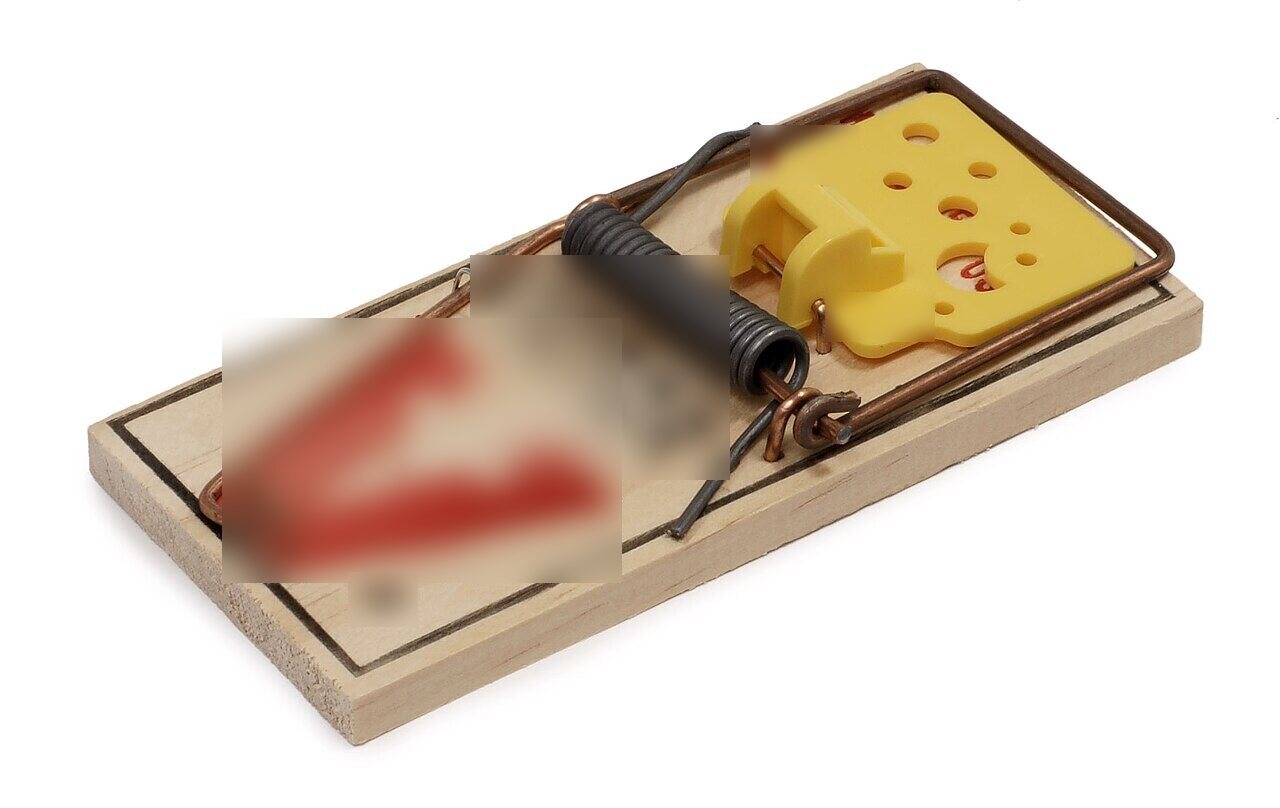
Trapping is the hands-on part of rodent control. A technician sets traps where rats and mice travel, checks them on a schedule and removes what is caught. Indoors it has clear advantages over bait: you see every catch, rodents do not crawl into walls to die, and nothing toxic sits where kids or pets can reach it.
Why trapping leads indoors
Trapping gives you a count. When the catch drops to zero and fresh droppings stop appearing, you know where you stand. Bait gives you silence and, often, a smell a week later.
The CDC lists trapping as the main way to remove rodents inside a home, alongside sealing and cleanup. Bait has a role, mostly outdoors and in locked stations, but most indoor work in Baltimore homes leans on traps. Read best rat and mouse traps if you want to try it yourself first.
What a thorough trapping job includes
Look for a plan with these parts:
- Placement based on an inspection, along walls, behind appliances and at entry points
- Enough traps: often a dozen or more for mice, fewer but heavier traps for rats
- Traps inside covered boxes or stations where kids and pets live
- A schedule for checking and clearing traps, with catches removed from the property
- A record of what was caught where, so the sealing plan targets the right spots
- Sealing once the catch slows, so new rodents do not replace the ones removed
Ask how often the technician will come back. Traps that sit unchecked for two weeks are not doing much.
Rats and mice need different setups
House mice are curious and stay within a small area, so traps go close together, a few feet apart along the runs. Peanut butter, chocolate spread or a bit of nesting cotton works as bait.
Norway rats are wary of new objects. Technicians often place rat traps unset for a day or two so the rats get used to them, then set them. Rat traps are larger and go along walls, near cellar entries, by floor drains and at the base of the rear wall where rub marks show up. Many Baltimore homes have both rodents, with mice in the kitchen and rats in the cellar, so the plan should cover both.
Step by step
- Inspection identifies the rodent, the runs and the entry points.
- Traps go out along those runs, prebaited or unset for rats at first.
- The technician returns on a schedule, records catches, removes them and adjusts placement.
- When the catch slows, sealing closes the entry points.
- A final check confirms no new catches and no fresh droppings.
Expect two to four visits for an active problem. Angi lists follow-up visits in Baltimore at about $40 to $120 each if they are billed separately.
Why trapping alone fails on a Baltimore block
Trapping removes rodents that are inside now. On a rowhouse block with alley trash, burrows along the fence and maybe a vacant house nearby, new rats keep arriving. The Hopkins rat studies found that blocks cleared of rats refilled over time when food and shelter stayed the same.
So trapping has to be paired with sealing and with fixing the food on your side of the fence: tight lids, no bags in the alley and no pet food outside. See why rats come back after an exterminator.
What you can do between visits
Leave the traps where the technician set them, even if they look out of place. Moving them resets the rats' caution. Keep kids and pets away from any trap that is not inside a covered box. Store food in hard containers, wipe counters at night and take trash out to a lidded can. Tell the technician about new droppings or sounds in new rooms, which helps them shift traps toward the active runs.