Mice
Mouse Control in Baltimore, MD
The house mouse is the other main Baltimore rodent. It is small enough to slip through a dime-sized gap, breeds fast, and settles into rowhouse kitchens, pantries, and wall voids.
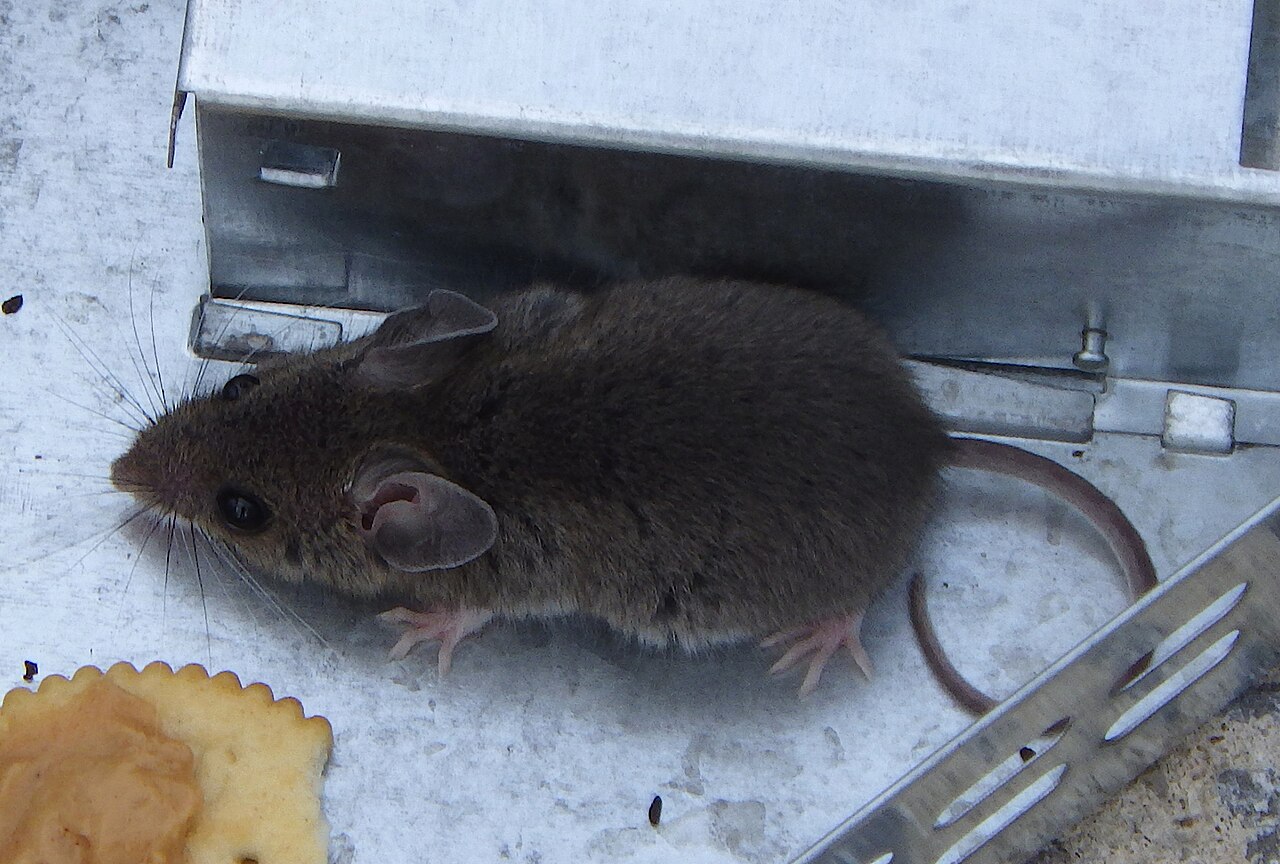
Mouse control in Baltimore deals with the house mouse, the small gray rodent that lives its whole life indoors once it gets in. Unlike the Norway rat out in the alley, the house mouse is a house animal. It nests inside the wall voids, under the kitchen cabinets, and behind the stove of Baltimore rowhouses, and because it can pass through a gap the width of a dime, keeping it out of an old brick home is its own kind of work.
How house mice get into a rowhouse
A house mouse needs almost nothing to get in. An adult can squeeze through a hole about a quarter inch across, which is the width of a dime, and Baltimore's older rowhouses are full of openings that size: gaps where the water and gas lines enter, cracks in the cellar wall, worn thresholds under exterior doors, holes behind the stove and dryer vents, and the seams where additions meet the original brick.
Once inside, mice follow the warmth and the food. They travel along wall voids and pipe runs, which is how a mouse that entered the cellar ends up in a third-floor kitchen. In an attached rowhouse, they also move between units through the shared wall, so a neighbor's mouse problem quickly becomes yours.
The signs you actually have mice
Mice are most active at night and stay close to cover, so most Baltimore homeowners find the droppings before they ever see the mouse. A few droppings in one drawer is an early problem. Droppings in several rooms means the mice have been breeding, and a pair can turn into dozens in a matter of months.
- Small dark droppings, the size of rice grains, in drawers, under the sink, or along the baseboard
- Gnaw marks on food packaging, boxes, and the corners of cabinets
- A musky smell in an enclosed pantry or cabinet
- Scratching or scurrying in the walls or ceiling after dark
- Shredded paper, insulation, or fabric tucked into a hidden nest
- Grease smudges along the baseboards where mice run the same route
How mouse control is done here
The house mouse is controlled from the inside out. An experienced local rodent exterminator inspects the kitchen, the cellar, the utility penetrations, and the wall voids, finds the runs and the nest areas, and sets trapping where the mice actually travel rather than at random. Bait, where it is used, goes in stations placed out of reach.
The part that keeps mice from coming back is exclusion: sealing the dime-sized gaps with materials mice cannot gnaw through, fitting door sweeps, and closing the utility openings in the cellar and the back of the house. Because mice live indoors and breed quickly, a fast knockdown paired with tight sealing is what actually ends the problem instead of managing it forever.
Read more on Norway rats vs house mice in Baltimore, or call 410-904-6168 and describe what you are seeing.
Related
People who called about this also called about
Questions
Mouse Control in Baltimore, answered
How are mice getting into my Baltimore home?
Through gaps you would not think twice about. A house mouse fits through a hole the width of a dime, so the openings around pipes, under doors, in the cellar wall, and behind appliances are all fair game. In a rowhouse, mice also come through the shared wall from an attached neighbor.
Is it mice or rats in my walls?
Droppings tell the story. Mouse droppings are small, about the size of a grain of rice. Rat droppings are much larger, closer to a raisin. Mice tend to stay indoors in the walls and kitchen, while Baltimore's Norway rats live in the alley and cellar. An inspection confirms which one you have and sets the right traps.
Will a few mice really turn into an infestation?
They can, quickly. House mice breed year round indoors, and a small number can become a large one within a season. Acting on the first droppings, rather than waiting, keeps a minor problem from spreading through the walls into other rooms and units.
Do I need to seal the house or just set traps?
Both. Trapping removes the mice that are already inside, but if the dime-sized gaps stay open, new mice keep coming in from the alley, the cellar, and the neighboring rowhouse. Sealing the entry points is what makes the trapping hold.
Are the treatments safe around children and pets?
Yes. The approach leans on trapping and sealing, and any bait is placed in tamper-resistant stations kept out of reach. Describe your household when you call and the plan is built to fit it.
Talk to a local rodent exterminator
Call and describe your rodent problem
Tell us whether it is rats or mice, the property and how long it has been going on. You get straight answers and an honest estimate before any work starts. No obligation.
Calls answered 7am to 9pm, seven days a week