In Baltimore City, the property maintenance code says the interior of every building must be kept free of insects, rodents and other pests. It puts extermination on the occupant of a single-unit building, and on the occupant of a multi-unit building only when their unit is the only one affected. Baltimore City's rent escrow law lists rodent infestation as a qualifying condition, except in single-family dwellings.
This guide explains those rules in plain terms. It is general information, not legal advice. Leases, facts and the law change, so check the sources below or talk to a lawyer or tenant advocate about your situation.
What the Baltimore property maintenance code says
Baltimore City adopts the International Property Maintenance Code with local changes, as Part VII of its Building, Fire and Related Codes. Three sections matter most for rodents.
Section 307.7 says the interior of every building must be kept free of infestation by insects, rodents and other pests. It applies to every building and does not name an owner or occupant.
Section 308.4 says an occupant of a single-unit building is responsible for extermination of insects, rodents or other pests, other than wood-destroying insects.
Section 308.5 says an occupant of a multi-unit building is responsible for extermination if the occupant's unit is the only one affected.
Section 308 does not spell out who handles it when more than one unit is affected. The code's limit on occupant responsibility suggests the owner handles it then, though the text does not say so directly. Section 308.1 also makes the owner and operator responsible for unsanitary conditions caused by a sewer backup or a structural defect, which can include rats coming through a broken sewer line or a crumbling foundation.
Exterior duties: yards, alleys and trash
Section 305.4 requires exterior property to be kept free of pests, prohibits rodent harborage and requires prompt extermination by approved processes where pests are found. Section 306 covers trash: receptacles must be watertight with tight-fitting covers, kept in good repair and kept tightly closed.
Who handles the outside depends on the property. Under section 308.2, occupants of single-unit buildings and occupants with exclusive use of an exterior area maintain those areas, including adjacent sidewalks, gutters and alleys. The code lists situations where the owner, or owner and operator, is responsible instead, such as failing to register the property or a third environmental citation.
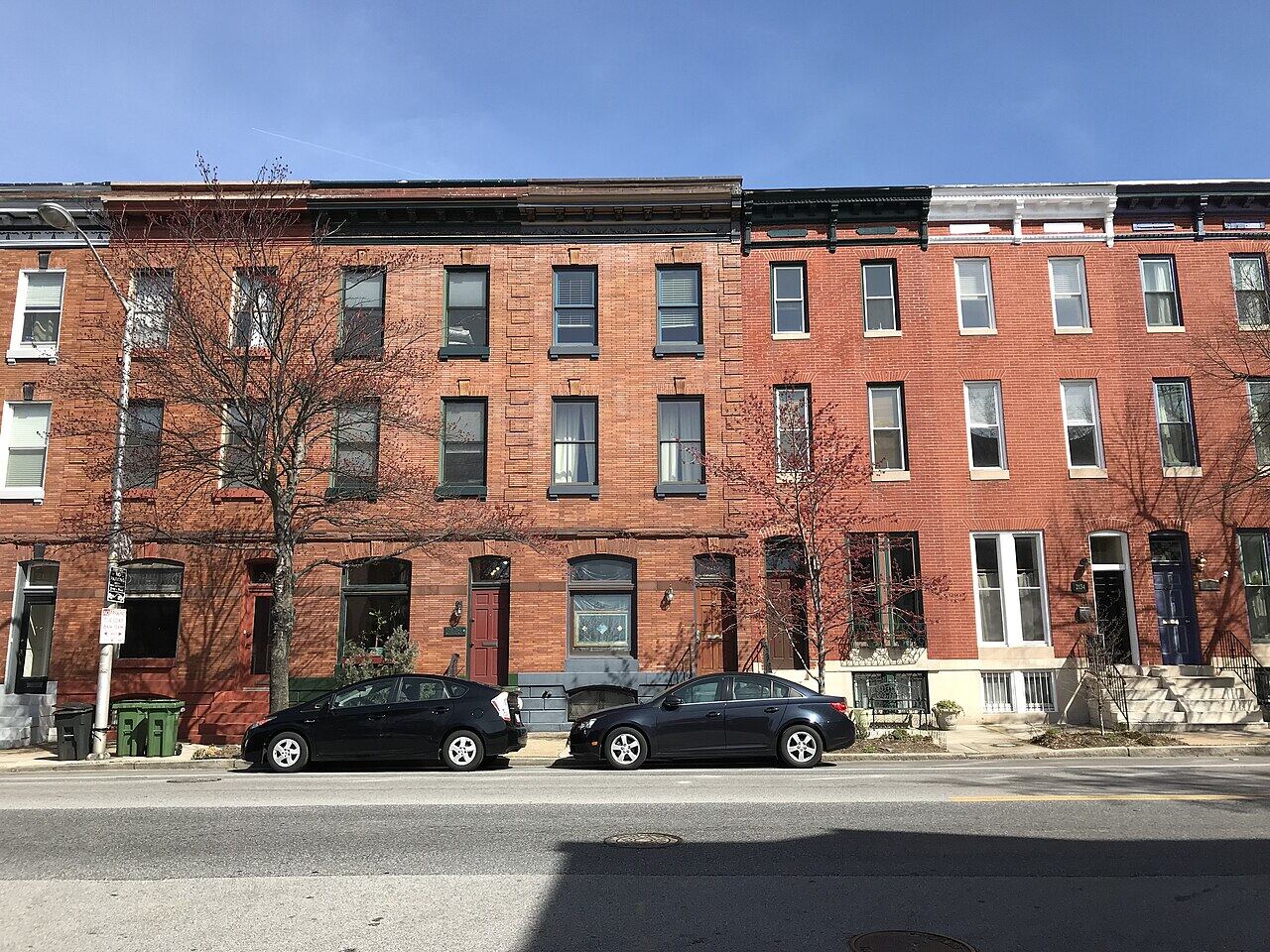
If you rent a whole rowhouse, you may be responsible for the yard and the cans. If you rent one apartment in a building with a shared yard, the owner usually is. Read your lease, since it may add terms.
Maryland rent escrow and Baltimore City rent escrow
Rent escrow lets a tenant pay rent into court instead of to the landlord while serious defects go unrepaired. Maryland's state law, Real Property section 8-211, lists conditions that qualify, including infestation of rodents in two or more dwelling units.
Baltimore City has its own rent escrow law in the Code of Public Local Laws of Baltimore City, Subtitle 9-9. State law says a local rent escrow law like Baltimore's supersedes the state section. According to the People's Law Library of Maryland, the city law lists infestation of rodents as a qualifying condition, except in single-family dwellings.
Under the city law as summarized by the People's Law Library:
- The landlord must have notice, by certified mail, a violation notice from DHCD or another agency, or actual knowledge
- The landlord gets a reasonable time to fix it, with a presumption that more than 30 days after notice is unreasonable
- The tenant pays the rent into court
- The first hearing must be held within 15 calendar days of notice to the parties, unless emergency conditions require sooner
- If the landlord makes no reasonable effort within 6 months, escrowed money can go to the tenant
- A lease clause that tries to waive these rights is void
The landlord can defend by showing improper notice, that the condition does not exist or was fixed, that the tenant or guests caused it, or that the tenant refused access. Get legal help before filing.
Rental licensing in Baltimore City
Baltimore City requires all residential rental units, including one- and two-family homes and multi-family buildings, to be registered, inspected and licensed with the Department of Housing and Community Development. The inspection has to be done by a state licensed, city-registered home inspector and covers items like interior and exterior sanitary conditions.
The Strengthening Renters' Safety Act took effect on January 1, 2026. Under it, DHCD identifies priority dwellings, which are rentals with 20 or more units that met two or more criteria the prior year, such as a violation unabated for more than 90 days, four or more violation notices, a set number of health and habitability 311 calls, or a low HUD inspection score. Those buildings get priority inspections at least twice a year. Owners must post their rental license number in common areas, leases and ads, and licenses now run on a flat two-year term and cannot be transferred.
For tenants, the license number is a quick way to check that a rental is registered.
What tenants should do about rats or mice
- Write it down. Note the dates, rooms, what you saw and any droppings or damage. Photos help.
- Notify the landlord in writing. Certified mail with a return receipt gives you proof, and it matters if you later need rent escrow.
- Keep doing your part: store food in sealed containers, take trash out to a lidded can and keep areas under sinks clear for access.
- Give access for treatment. Refusing access can be used against a rent escrow claim.
- If nothing happens, contact Baltimore 311 to request a housing inspection. A DHCD violation notice also counts as notice for rent escrow.
- Get help. The People's Law Library of Maryland and local legal aid groups explain the rent escrow process.
What landlords should do
Act on the first report. In a multi-unit building, inspect the affected unit and the units around it, plus the cellar and trash area. Treat connected spaces together, since rodents move through shared walls and pipe chases. Seal entry points, not just bait. Keep records of every inspection and treatment, which help with tenant disputes, DHCD inspections and rent court.
For converted rowhouses and apartment buildings, see rowhouse and apartment rodent control. For the trash side of the code, see the Baltimore trash and sanitation rules guide.
Sources
- Baltimore City Code: Property Maintenance Code § 307, Interior Sanitary Maintenance
- Baltimore City Code: Property Maintenance Code § 308, Occupants' Sanitary Responsibilities
- Baltimore City Code: Property Maintenance Code § 305, Exterior Sanitary Maintenance
- Maryland Code, Real Property § 8-211 (PDF)
- People's Law Library of Maryland: Baltimore City Rent Escrow Law
- Baltimore City DHCD: Rental Licensing
- Baltimore City DHCD: Strengthening Renters' Safety Act