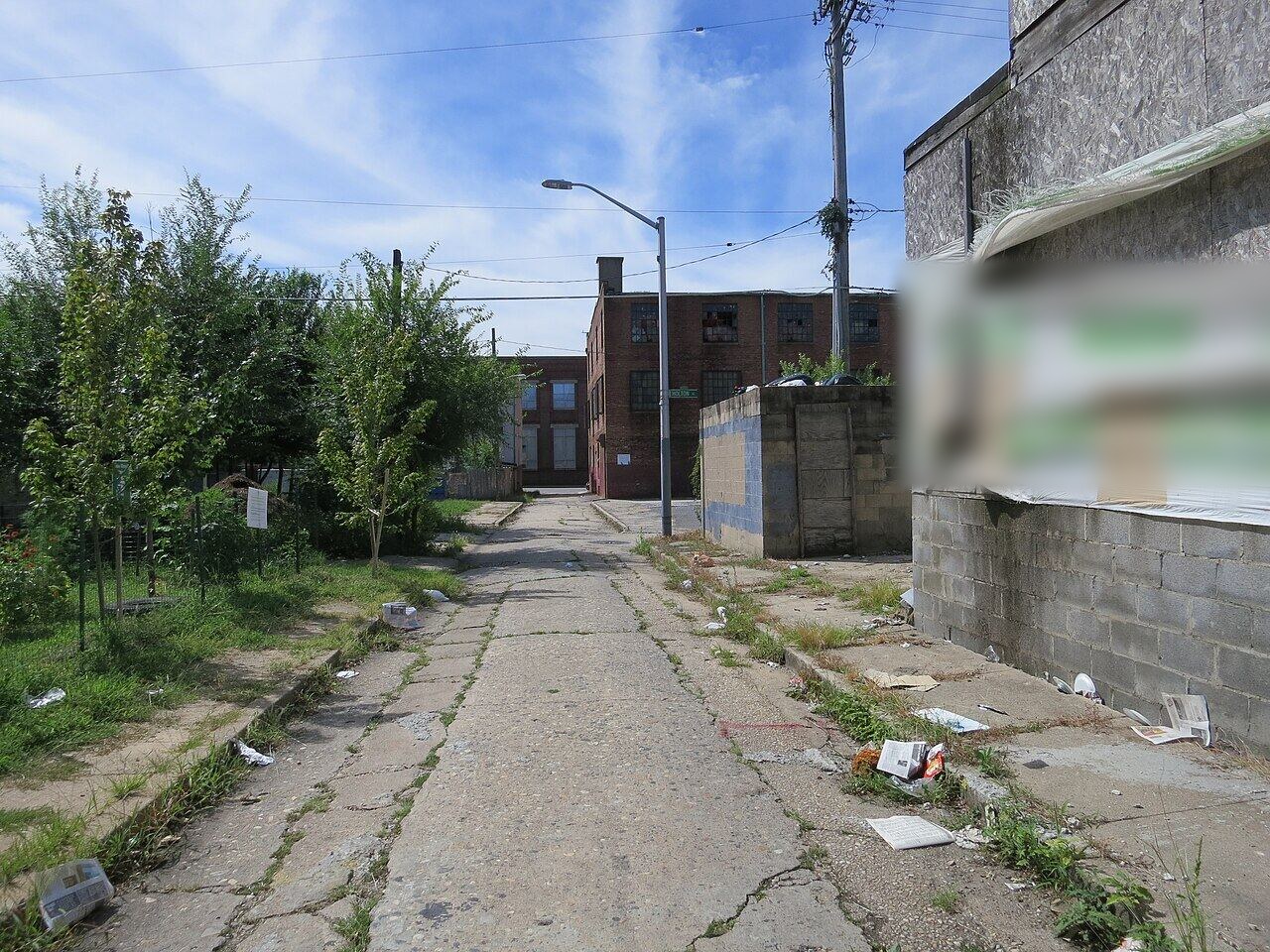
In Baltimore City, you report rats by calling 311 or filing a service request online. The Department of Public Works' Rat Rubout program inspects the area and, if it finds an active burrow, baits it. To treat a private yard, the occupant has to sign a right of entry form. In Baltimore County, rat complaints go to Permits, Approvals and Inspections, Code Enforcement, and neighborhoods can request treatment through their community association.
This guide covers both systems, what to include in a request and what the city or county does next.
Baltimore City: call 311 or file online
Inside the city, dial 311. From outside the city, the Baltimore City Health Department lists (443) 263-2220 for 311. You can also file through the city's online 311 system at balt311.baltimorecity.gov.
DPW says to report a suspected rat problem by calling 311 or submitting an online service request, and that it will inspect the area and bait it if necessary. Useful details to include:
- The exact address, or the nearest address for an alley or lot
- Where the rats or burrows are: back yard, alley, vacant lot, under a shed or along a fence
- Whether you have seen burrows, droppings or live rats, and when
- Whether a vacant house, overflowing cans or dumped trash is nearby
Save your service request number. It lets you check the status of the request later.
What the Rat Rubout crew does
Rat Rubout is DPW's citywide program for rat infestations. According to DPW, here is how a visit works:
- A pest control worker inspects the property for an active rat burrow.
- Poison is applied only if a burrow is present, because it is placed deep inside the burrow.
- Each treated burrow is marked with a yellow flag.
- The worker leaves a hand card telling residents the burrow was treated.
DPW says pets should not be able to reach the poison unless they dig deep into a burrow. If a pet does eat it, DPW advises calling a veterinarian or poison control. The page also says the chemicals are not fatal to animals larger than rats but can still make a pet sick.
Rat Rubout works on burrows outside. It does not treat the inside of your house or seal your cellar. For that, you need a private provider. See rat burrow treatment for how private burrow work compares.
The right of entry form
DPW needs written permission to enter private property. The Rat Rubout release form lets Bureau of Solid Waste workers enter the yard to bait or exterminate rats, with the understanding that pesticides may be used. The person who controls the yard signs it.
By signing, the resident also agrees to clean the yard and remove bulk items, avoid feeding pets outdoors, and get and use durable trash cans with tight-fitting lids. The permission lasts 120 days from the date signed. If no one is home during a visit, the worker can leave a notice asking you to sign and return the form by mail or fax.
If several houses on your block have burrows, ask each household to sign. A worker can only treat the yards they are allowed into.
What else to report to 311
Rats rarely exist on their own. They follow food and shelter, and many of those conditions are code problems you can also report through 311:
- Trash cans without lids, bags set out without a can, or trash piled in the alley
- Illegal dumping on a lot or in an alley
- Open or unsecured vacant houses
- Overgrown city-owned vacant lots, which DPW's Property Management team cleans and mows on request
- Food businesses with unsanitary conditions, which the Health Department handles
Baltimore's property maintenance code requires exterior premises to be kept free of rodent harborage and requires trash receptacles to be kept tightly closed. Our Baltimore trash and sanitation rules guide covers those sections.
Baltimore County: Code Enforcement and BaltCoGo
If you live in Towson, Dundalk, Catonsville, Essex, Parkville, Pikesville or elsewhere in the county, the process is different. Rat complaints and the conditions behind them are handled by the Department of Permits, Approvals and Inspections, Code Enforcement. The county's Rat Control and Treatment Program enforces rules on the causes of infestations and works with community associations and residents, mostly through education and code enforcement.
To report rats or a condition on a property, file a complaint online through BaltCoGo 311 and include the exact property address. The county also lists a phone number, 410-887-3351, and an email, paienforce@baltimorecountymd.gov.
Not every neighborhood gets extermination. When the county decides a neighborhood needs it, a licensed company it contracts does the treatment, and signs with contact information and the start date go up in the neighborhood. Only properties with visible signs of rats are treated, and residents can opt out with a waiver form. Inspected properties get a ribbon on the fence: red means treated, yellow means no rat activity found.
Community associations request neighborhood treatment by email, with the association name, a contact for the president or representative, neighborhood boundaries and trash pickup day. Neighborhoods without an association can call the number above.
What happens next, and what the city does not do
After a City request, DPW inspects and baits active burrows if it finds any. DPW also says it uses 311 rodent requests to monitor rat activity and measure the program's impact. That means your request also helps the city see where the problems are.
What the city and county programs do not do:
- Treat rats or mice inside your house
- Seal cellar gaps, pipe penetrations or shared walls
- Return on your schedule to confirm the colony is gone
- Handle mice, which live indoors
For those, a private provider is the usual route. Tell them about any Rat Rubout visit and where the yellow flags went, since it helps them plan. See rat control and rodent exclusion.
Getting the whole block involved
The Hopkins rat studies found that blocks cleared of rats tended to refill when food and shelter stayed the same. A single request helps, but a block where several neighbors request Rat Rubout, sign entry forms, lid their cans and clear bulk items at the same time gives rats far less to come back to.
If your block has a community association, ask it to coordinate. In the county, the association is the official channel for neighborhood treatment requests. In the city, some neighborhood groups organize cleanups and trash can giveaways around Rat Rubout visits.
Sources
- Baltimore City DPW: City Cleaning Services and Rat Rubout
- Baltimore City DPW: Rat Eradication
- Baltimore City DPW: Rat Rubout release of liability form (PDF)
- Baltimore City: Major Improvements to Rat Eradication Efforts (2014)
- Baltimore County PAI: Rat Control and Treatment Program
- Baltimore City Health Department: Food Facilities and 311