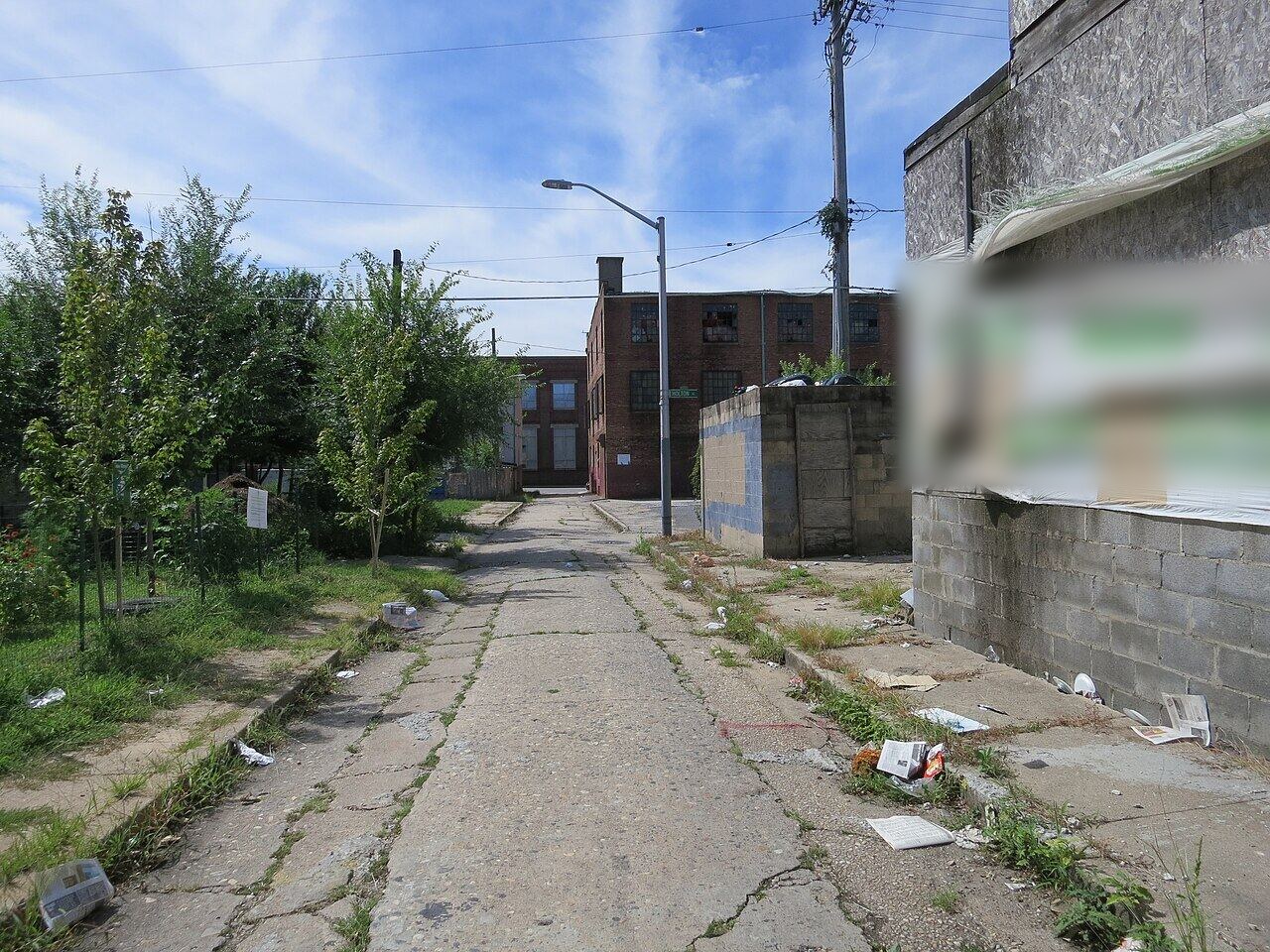
Baltimore's warehouses, distribution centers and industrial buildings sit where rats do well: near the harbor, along rail lines, next to vacant land and in older brick buildings with a century of utility work. Areas like Locust Point, Canton, Highlandtown, Curtis Bay, Fairfield and the I-95 corridor toward Dundalk and Essex all have big buildings with dock doors, pallets and stored goods. A warehouse program focuses on the perimeter, the docks and documentation.
Where rodents get into a warehouse
Most rats enter at ground level. Dock doors with worn seals and bumpers, dock levelers with gaps at the pit edges, personnel doors propped open in summer and the joint where tilt-up or block walls meet the slab are the usual spots. Utility entries for power, water, gas and sprinkler lines leave gaps. Older brick buildings have crumbling mortar and abandoned openings from past tenants.
Inside, rodents hide in pallet stacks against walls, in cardboard and returns, under racking and in break rooms. Mice can live inside stored goods for months.
What a warehouse program includes
A good program usually has:
- A site survey of the exterior, fence line, dock area, dumpsters and any adjacent rail or vacant land
- Exterior tamper-resistant stations along the building perimeter, anchored, numbered and mapped
- Interior traps or monitoring devices along walls, at dock doors and in break and storage rooms
- Dock and door work: seals, bumpers, leveler pit gaps and door sweeps
- Sealing of utility penetrations and wall-to-slab gaps
- Housekeeping notes such as an 18-inch inspection aisle along walls and pallets off the floor
- Service logs, trend reports and corrective action notes for audits
If you handle food, pharmaceuticals or other regulated goods, the program should match the audit standard you follow. Ask the provider about their experience with those audits.
Step by step
- Survey the site and identify outside sources like rail lines, dumpsters and neighboring vacant land.
- Lay out stations and interior devices on a map.
- Clean out any active population with trapping and exterior stations.
- Seal docks, doors and wall penetrations.
- Service every device on schedule and log results.
- Review trends each quarter and move devices where activity shows up.
Why Baltimore sites are harder
The port and harbor give Norway rats water, cover and food along the piers and rail lines. Many industrial areas sit next to vacant parcels and older housing where rats are already established. Older multi-story warehouses and mills in Hampden, Woodberry, Highlandtown and Canton have been converted several times, and each conversion left penetrations behind.
Weather plays a role too. Rats move toward buildings when it gets cold, and dock doors open all day in winter let warm air out and rats in.
What to ask a provider
Ask for the Maryland pesticide business license, the certified applicator's categories (7D covers rodents in and around structures) and proof of insurance. Ask for a sample service report and station map. Ask how they handle activity spikes and whether they will help prepare for audits. For smaller commercial sites see commercial rodent control.
What staff can do between visits
Keep an aisle clear along interior walls so stations and droppings stay visible. Close dock doors when trucks are not loading. Report gnawed packaging, droppings or a rat sighting to the provider the same day. Keep dumpster lids closed and the area around them free of loose trash, pallets and broken packaging. Store returns and damaged goods off the floor. These habits cost little and make the service visits count.