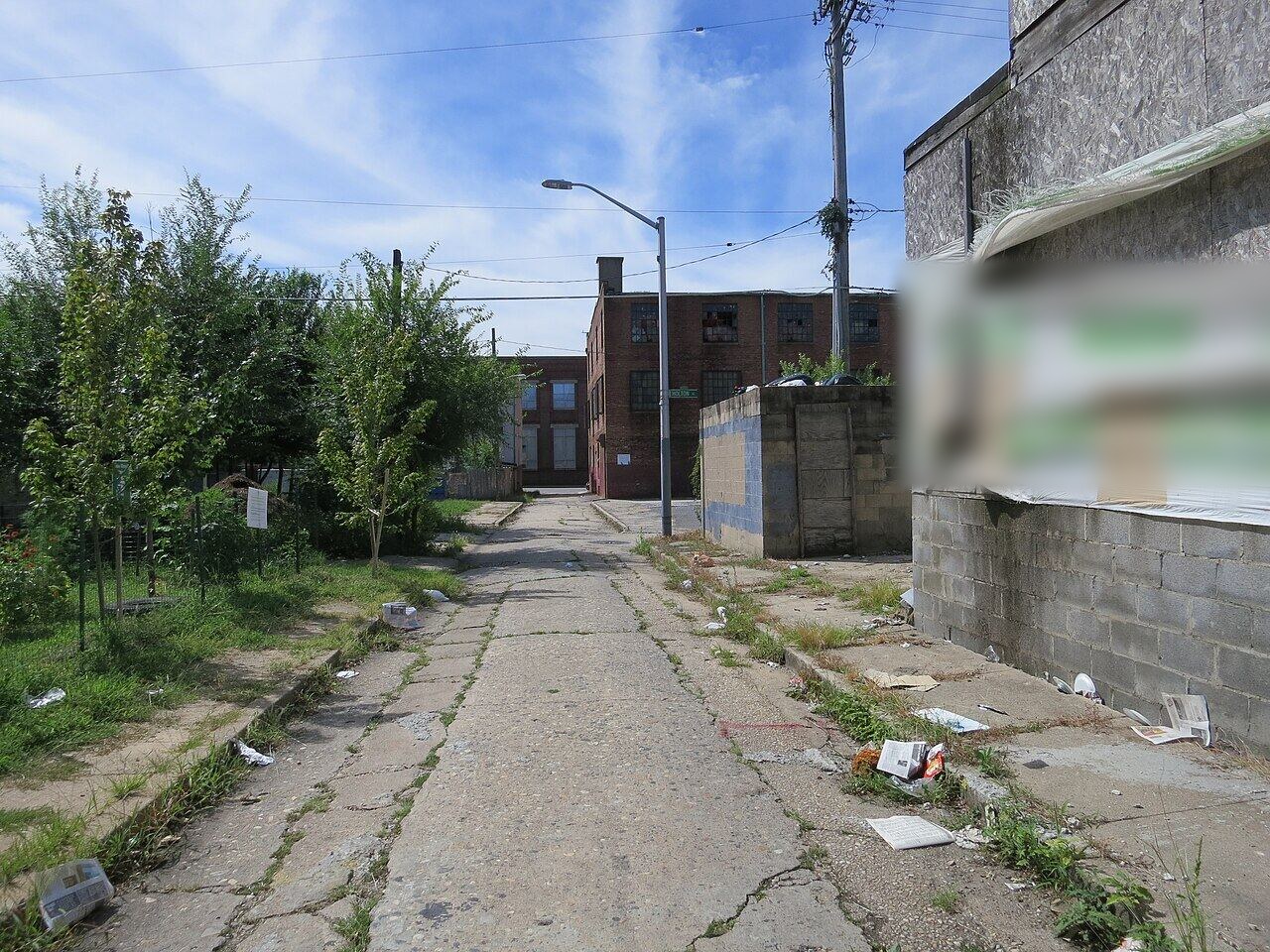
Restaurants, carryouts, corner markets, bakeries and bars in Baltimore face the heaviest rodent pressure in the city: food on site, dumpsters in the alley and older buildings with shared walls. The Baltimore City Health Department's Food Control section licenses and regulates more than 5,000 food facilities, and its closure list regularly cites rodent infestation. A food-business program is built around fast response, tight exclusion and records.
What the rules require
Maryland's food service regulations, COMAR 10.15.03.20, say the person in charge has to use effective control measures to eliminate rodents, flies, roaches and other vermin from the building. The premises have to be kept free of debris that gives vermin a place to hide. Outer openings have to be protected with tight, self-closing doors, screens or air curtains.
If an inspector finds vermin in food prep or storage areas, the facility has to act immediately. Under COMAR 10.15.03.35, the approving authority can suspend a license and order a facility to stop operating when there is an immediate danger to public health, and it cannot reopen until a reinspection shows the problem is gone. Our Baltimore restaurant rodent violations guide walks through the process.
What a food-business program includes
Ask for:
- Service on a schedule that fits the operation, often weekly or twice a month
- Exterior tamper-resistant stations around the building and dumpster area, numbered and mapped
- Interior trapping and monitors, with no loose bait in food areas
- Exclusion at rear and delivery doors, door sweeps, gaps under walk-in coolers, floor drains and utility penetrations
- Sanitation notes for staff: grease buildup, food under equipment, stock off the floor and away from walls
- A service log at every visit, kept on site for inspectors
- Fast response if staff see a rodent or droppings between visits
The log matters as much as the treatment. An inspector who finds droppings will ask what the business has been doing about it.
Step by step
- A site survey covers the kitchen, storage, walk-ins, basement, dumpster area and the alley.
- The provider writes a plan with station locations, sealing work and visit frequency.
- Active rodents get knocked down with trapping inside and stations outside.
- Sealing closes the gaps the survey found, especially at rear doors and the basement.
- Regular visits check every device and log the results.
- Staff get a short list of daily habits that keep the pressure down.
Why Baltimore food businesses struggle
Most of the city's restaurants sit in rowhouse-style commercial buildings with apartments upstairs and an alley out back. Rats from one restaurant's dumpster reach the whole block. Older buildings in Fells Point, Federal Hill, Mount Vernon and Hampden have basements with stone walls, old drains and gaps around every pipe. A busy rear door propped open for deliveries is an easy way in.
Shared walls cause trouble too. If the business next door has rats, sealing your own perimeter is only half the job. A good provider looks for routes through party walls and shared basements.
What to ask a provider
Ask for the Maryland pesticide business license and the applicator's category, which should include 7D for rodent control. Ask for a sample service log, how they handle a call from a manager who just saw a rat, and how they document sealing work. If you have been cited, ask how quickly they can do an initial cleanout and help you prepare for reinspection. See also commercial rodent control.
Daily habits that keep inspectors happy
Close rear doors between deliveries and keep self-closing hardware working. Clean under cooking lines and equipment every night, since grease and crumbs feed mice. Keep dry goods in sealed bins on shelves, not in open bags on the floor. Break down and remove cardboard daily. Keep dumpster lids shut and the alley area free of spilled trash. Write down any sighting and call the provider that day.