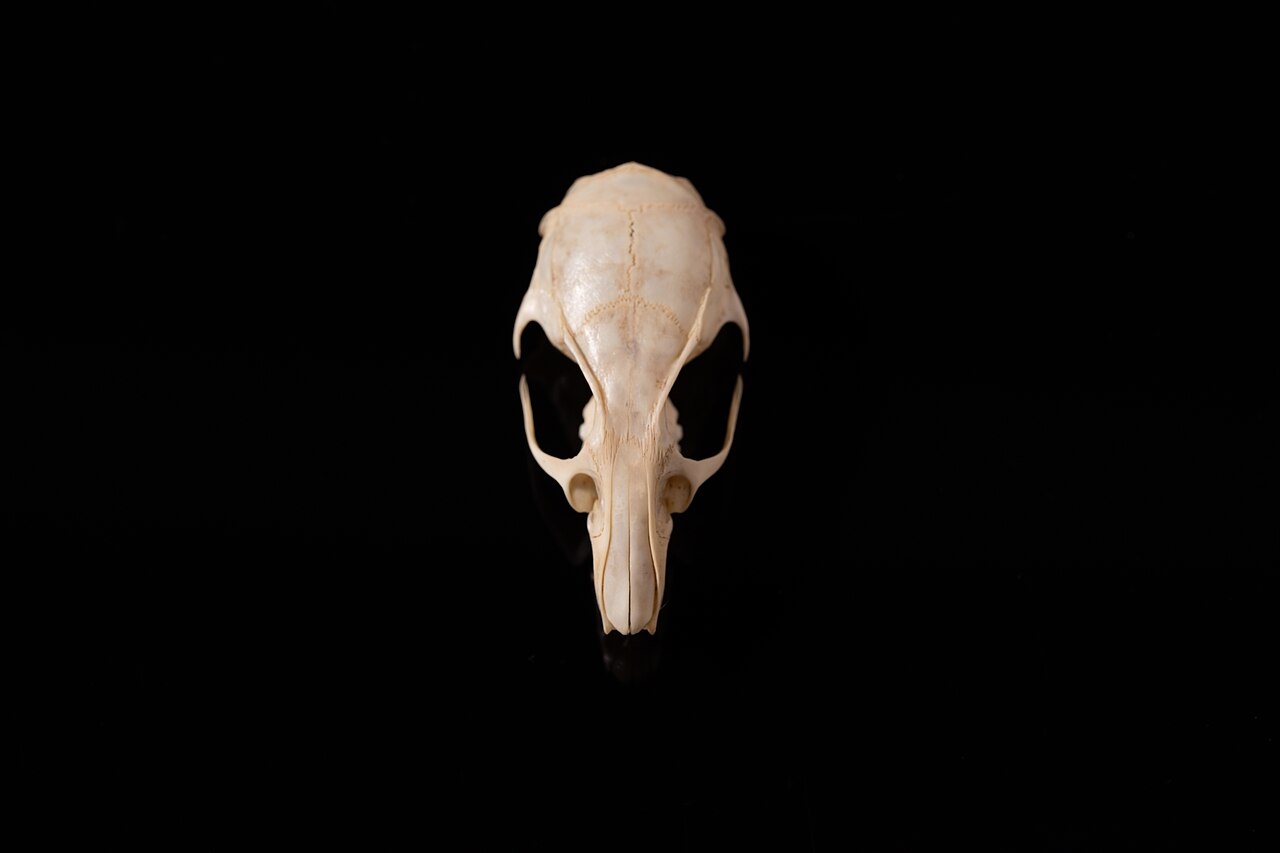
Rats
Rat Control in Baltimore, MD
Baltimore is Norway rat country. The big brown rat burrows under sheds and alley slabs, works the trash cans, and pushes into rowhouse cellars through gaps in old brick and mortar.
Rat control in Baltimore means the Norway rat, the heavy brown burrowing rat that has been part of this city for so long that scientists at Johns Hopkins have studied it here for decades. It lives in the alleys, under the sheds and stoops, in the vacant homes, and along the old sewer lines, and it moves into occupied rowhouses through the gaps that dense brick blocks always develop.
The Baltimore rat is the Norway rat
The rat you see in a Baltimore alley is almost always the Norway rat, sometimes called the brown rat or sewer rat. It is a ground animal. It digs burrows in the soft dirt behind rowhouses, under sheds and concrete slabs, along fence lines, and at the edge of vacant lots, and it keeps those burrows close to a steady food source, which in this city means the trash cans and dumpsters in the back alleys.
Norway rats are strong swimmers and climbers, and Baltimore's aging sewer system gives them a protected way to travel block to block. They come up through broken lateral lines, floor drains, and cracked cellar walls. Roof rats, the climbing rat common in warmer coastal cities, are uncommon here. If you have rats in Baltimore, plan around the Norway rat and its burrows.
Why the rowhouse block feeds them
A single rat problem on a Baltimore block is rarely a single-house problem. Because the rowhouses share walls and the alley feeds every yard behind them, rats treated at one address simply shift down the row. That is why lasting rat control on these blocks pairs the trapping with sealing the specific home and cutting the food and harborage that keep the colony going.
- Shared brick walls and party walls that let rats travel between attached homes
- Back alleys lined with cans and dumpsters that supply constant food
- Vacant and abandoned rowhomes that give rats an undisturbed place to nest and breed
- Old cellars and foundations where mortar has crumbled into open gaps
- Broken or open sewer laterals that connect a home to the citywide rat network
- Overgrown yards, woodpiles, and stored clutter that hide burrow entrances
How a local rodent exterminator handles rats here
The visit starts outside, in the yard and the alley, because that is where Norway rats live. An experienced local rodent exterminator reads the burrow openings, the greasy rub marks along the foundation, the runs worn into the dirt, and the droppings, then works out how the rats are getting from the alley into the cellar or the walls. That map is what the treatment follows.
Control combines several things: trapping and removal of the active rats, tamper-resistant bait stations placed where children and pets cannot reach them, sealing the entry points in the brick, cellar, and utility penetrations, and knocking down the burrows. None of it holds without cutting the food, so securing the cans, clearing the clutter, and closing the gaps in the back of the house are part of the job, not an afterthought.
Winter drives them indoors
Rat pressure inside Baltimore homes climbs when the weather turns. Through the warm months the colony can live comfortably in the alley and the burrows, but a Maryland winter pushes rats toward the warmth and shelter of the cellar, the kitchen wall, and the space under the first floor. A rat problem that felt like an outdoor nuisance in September becomes an indoor one by December.
That is the season to seal the house rather than only bait the yard. Call 410-904-6168 and describe what you are seeing, the burrows out back, the droppings in the cellar, the gnawing in the wall, and you get an honest read on what the visit involves before any work starts.
Read more on why Baltimore has so many rats, or call 410-904-6168 and describe what you are seeing.
Related
People who called about this also called about
Questions
Rat Control in Baltimore, answered
What kind of rat is in my Baltimore rowhouse?
Almost certainly the Norway rat, the large brown burrowing rat also called the sewer rat. It is the dominant rat in Baltimore. It nests in the ground, in alleys, under sheds, and in vacant homes, and works its way into cellars and walls. Roof rats are uncommon here.
Why do I have rats when my house is clean?
On a rowhouse block, rats are a block problem, not a housekeeping grade. They live in the shared alley, the vacant house two doors down, and the burrows behind the row, and they travel through the party walls and old sewer lines. A spotless home on that block still sits on their route until the entry points are sealed.
Can you get rid of rats without poison around my kids and pets?
Yes. Much of the work is trapping, sealing entry points, and removing the food and harborage that keep the colony going. Where bait is used, it goes in tamper-resistant stations placed out of reach of children and pets. Describe your situation and the approach is built around your household.
How long does it take to get rats under control?
An active infestation usually needs several visits over a few weeks: knock down the population, seal the home, then confirm the activity has stopped. A block with heavy alley and vacant-home pressure takes longer to hold than an isolated house, which is why the sealing and sanitation matter as much as the trapping.
Do you handle the burrows in the yard and alley?
Yes. Norway rats are burrowing rats, so the yard, the alley edge, and the space under sheds and slabs are where the colony actually lives. Treating the burrows and cutting the food and cover out back is central to the work, not separate from it.
Talk to a local rodent exterminator
Call and describe your rodent problem
Tell us whether it is rats or mice, the property and how long it has been going on. You get straight answers and an honest estimate before any work starts. No obligation.
Calls answered 7am to 9pm, seven days a week