Learn
Rodent-Proofing a Baltimore Rowhouse
Rodent-proofing a Baltimore rowhouse is about closing the small openings that rats and mice use to get in from the alley, the cellar, and the house next door. Trapping removes the rodents you have, but sealing is what keeps the next ones out. This guide covers the gaps that matter in old brick homes, what to seal them with, and where the work pays off.
Why rowhouses are hard to seal
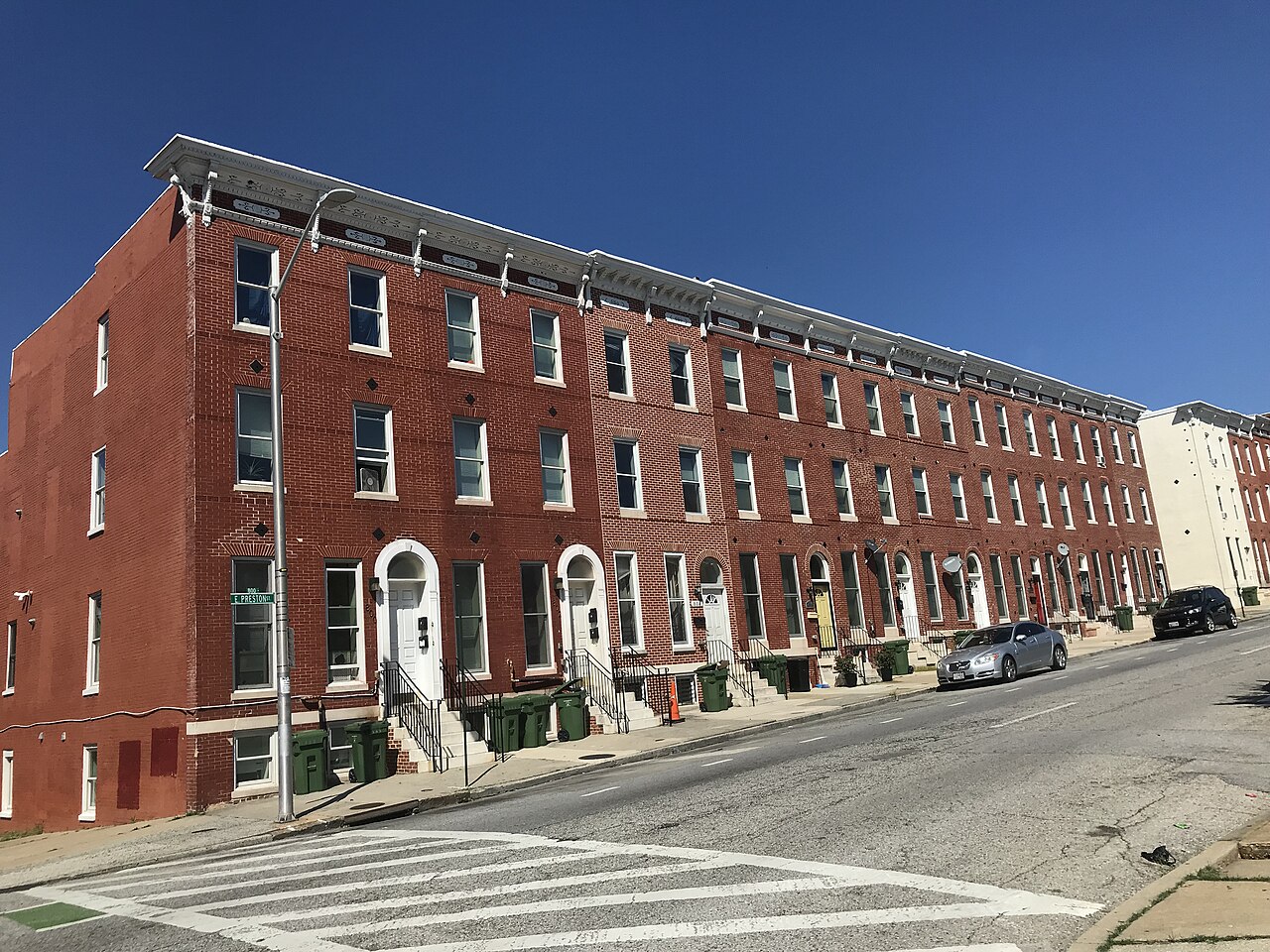
A rowhouse is not a sealed box. It shares walls with the homes on either side, sits on an old brick foundation that has settled and cracked, and connects to the alley through a back yard full of possible entry points. Every pipe, cable, and gas line that enters the house leaves a gap. Mortar joints erode. Additions pull away from the original wall. Each of those is a potential door for a rat or mouse.
The rodents exploit tiny openings. A house mouse fits through a gap the width of a dime, and a Norway rat can work through a hole about the size of a quarter, widening it by gnawing. On a century-old brick rowhouse, the goal is not perfection but closing the openings that actually get used, at the cellar, the utilities, the doors, and the shared-wall connections.
The gaps that matter most
Start where rodents actually enter. The cellar is the top priority: gaps around the water and gas lines, cracks in the foundation, open floor drains, and the seams where the cellar meets the first floor. Next are the exterior doors, where worn thresholds and missing sweeps leave a mouse-sized gap along the bottom. Then the utility penetrations around the house, the dryer vent, the air conditioner lines, and the electrical entry.
On an attached home, the shared-wall connections deserve attention too. Gaps in the party wall, the shared floor and ceiling spaces, and common cellars let rodents pass between units, so a neighbor's problem becomes yours. Sealing those connections is part of what separates rowhouse rodent-proofing from sealing a detached house.
What to seal with
Materials are the difference between a seal that lasts and one that fails in a season. Rats and mice gnaw through foam, caulk, plastic, and loose steel wool over time, so the openings that count are closed with hardware cloth, sheet metal, mortar, cement, and rodent-resistant sealants. A small gap around a pipe might take copper mesh packed tight and sealed over; a broken foundation area might need mortar or a metal patch.
The right material depends on the gap and the pressure on it. This is where an experienced local rodent exterminator earns the visit, matching a durable material to each opening so the seal holds through winter, when Baltimore's rats push hardest to get inside.
Seal in the right order
Timing matters. Sealing a house that still has rodents inside can trap them in the walls, where they die and smell. The right order is to knock down the active population with trapping first, seal the home as the numbers drop, and confirm the activity has stopped before closing the last openings. Done that way, exclusion converts a recurring problem into a solved one.
If you want your rowhouse sealed, call 410-904-6168 and describe it, an attached home, an end unit, a converted multi-family, and you get a straight read on what rodent-proofing it involves, with no obligation.
References
Have this problem now? Call 410-904-6168 and describe it.
Related services
Get this one handled
Talk to a local rodent exterminator
Call and describe your rodent problem
Tell us whether it is rats or mice, the property and how long it has been going on. You get straight answers and an honest estimate before any work starts. No obligation.
Calls answered 7am to 9pm, seven days a week