Learn
Why Baltimore Has So Many Rats
Baltimore and rats have a long history. The city's Norway rat has been studied by scientists at Johns Hopkins for decades, and the reason the problem runs so deep is written into how Baltimore is built: rowhouses with shared walls, back alleys full of trash, vacant homes, and an aging sewer system. Here is what actually drives it and what changes the picture on your own block.
The Baltimore rat is a Norway rat
The rat Baltimore is known for is the Norway rat, the large brown burrowing rat also called the brown rat or sewer rat. It has been part of the city so long, and in such numbers, that researchers at Johns Hopkins have used Baltimore as a place to study rat behavior and ecology for the better part of a century. The city is, in a real sense, one of the most studied rat habitats in the country.
The Norway rat is a ground animal. It digs burrows in soft dirt, nests under sheds, slabs, and stoops, and stays close to a steady food source. It is not the climbing roof rat common in warmer cities. Understanding that one fact, that Baltimore's rat lives in the ground and the alley, explains most of why the city's layout suits it so well.
Rowhouses, alleys, and shared walls
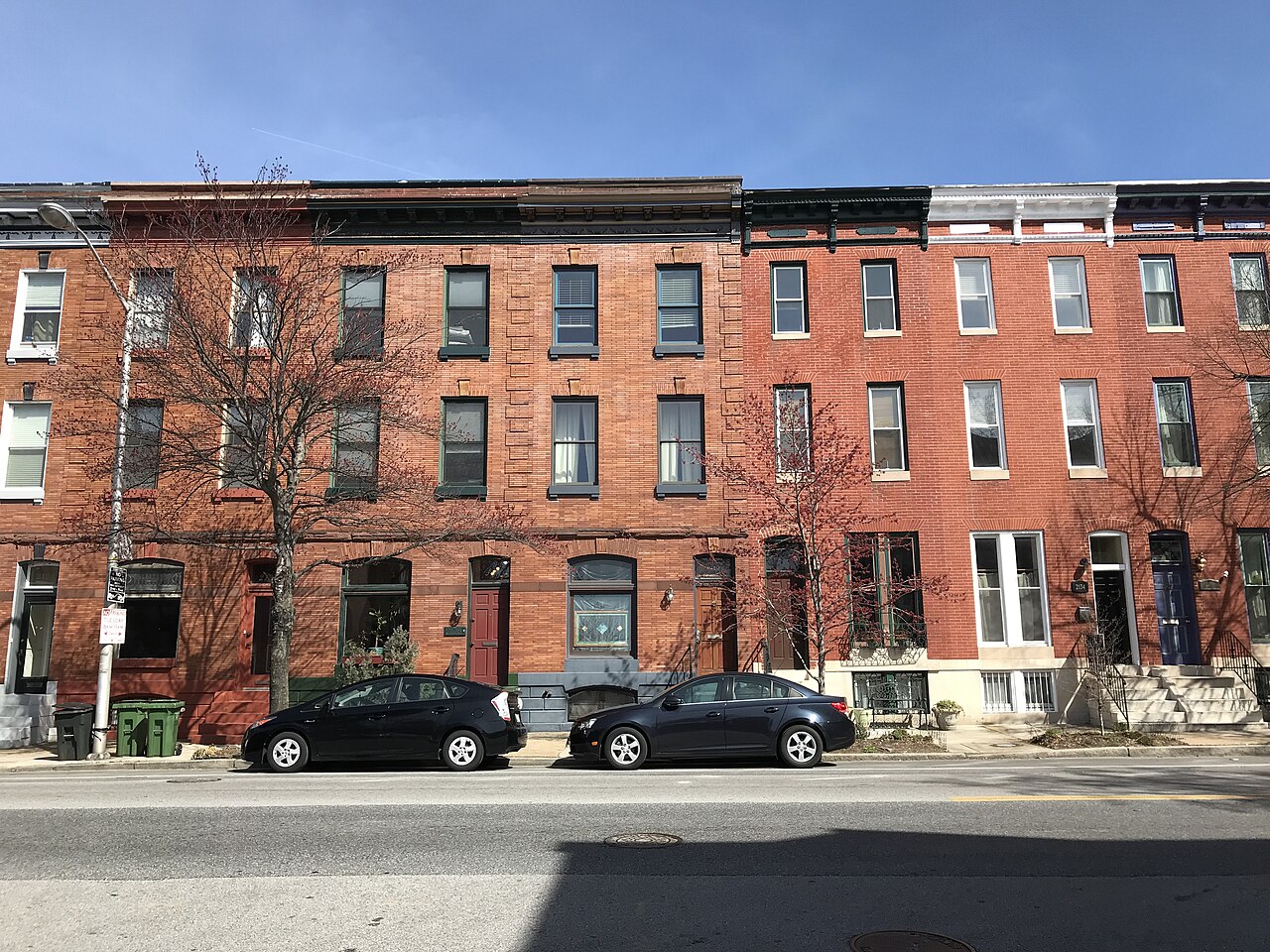
Baltimore's signature brick rowhouses are built wall to wall, block after block, with narrow back alleys running behind them. For a rat, that is close to ideal. The shared party walls let rats travel from house to house without going outside. The alleys concentrate trash cans and dumpsters into a single continuous food supply. And the old brick and mortar, as it ages, opens up the gaps rats use to get from the alley into the cellar.
This is why a rat problem on a Baltimore block is a block problem. Treat one house and the rats shift to the next. Lasting control has to account for the whole row, the alley, and the food and harborage that keep the colony going, not just the single address.
Vacant homes and trash are the engines
Two things feed Baltimore's rats more than anything else: vacant homes and uncontained trash. The city has thousands of vacant and abandoned rowhomes, and each one is an undisturbed place for rats to nest, breed, and spread to the occupied houses around it. A single vacant house can seed rat pressure for an entire block.
Trash is the food half of the equation. Open cans, bags left in the alley, overflowing dumpsters behind restaurants and stores, and littered lots give the colony the calories it needs to grow. The city runs baiting and cleanup programs, but on any given block, how well the trash is contained is one of the biggest levers on how many rats live there.
The harbor, the sewers, and the seasons
Baltimore's waterfront and aging sewer system add to the pressure. Norway rats are strong swimmers and travel the old sewer lines, coming up through broken laterals and floor drains, which connects homes to a rat network that runs well beyond their own yard. The harbor and waterfront edges give rats food and cover along the water.
Season matters too. Through the warm months rats live comfortably outdoors in the alleys and burrows, but a Maryland winter pushes them toward the warmth of cellars and walls, which is when many homeowners first notice an indoor problem. The pressure never really stops, it just moves between the alley and the house with the weather.
What actually changes it on your block
The city-scale drivers are big, but a single home is not helpless. Sealing the specific gaps that let rats from the alley into your cellar, cutting the food by securing cans and clearing clutter, knocking down the burrows in the yard, and trapping the active rats all shift the picture at your address. Where a vacant home or a neighbor's trash is feeding the block, reporting it to the city adds to the effort.
If you have rats now, describe what you are seeing to an experienced local rodent exterminator at 410-904-6168, the burrows out back, the droppings in the cellar, the gnawing in the wall, and you get a straight read on what handling it involves.
References
Have this problem now? Call 410-904-6168 and describe it.
Related services
Get this one handled
Talk to a local rodent exterminator
Call and describe your rodent problem
Tell us whether it is rats or mice, the property and how long it has been going on. You get straight answers and an honest estimate before any work starts. No obligation.
Calls answered 7am to 9pm, seven days a week